
The Shark Ray Looks Like Evolution Forgot to Finish Rendering It

At BXSea Bintaro, I saw an animal that looked deeply confused about its identity.
From the front: ray.
From the back: shark.
Overall: a Pokémon.
Turns out it was called a shark ray (or bowmouth guitarfish), which somehow sounds so literal. I spend a lot of time staring at it haha.
And the weird thing is: it actually explains evolution surprisingly well.
The Shark Ray Is Basically Evolution’s Draft Version

Sharks came first.
Hundreds of millions of years ago, ancient shark-like fish were already roaming the oceans long before rays existed. Then eventually, some of them started adapting to life on the seafloor.
Over time:
- bodies became flatter
- fins widened
- mouths moved underneath
- swimming became more “gliding dramatically across sand”
And somewhere in the middle of that transition, you get the shark ray.
It still has:
- the shark-shaped head
- the elongated body
- but also the flattened ray-like form
It genuinely looks like evolution was in the middle of editing a shark and forgot to save properly.
Shark → Shark Ray → Ray

| Ancient Shark | Shark Ray | Modern Ray |
|---|---|---|
| Streamlined body | Slightly flattened | Fully flattened |
| Open-water swimmer | Transitional body shape | Bottom-dweller |
| Mouth in front | Mouth shifting downward | Mouth underneath |
| Built for speed | Built for confusion | Built for pancake life |
Evolution really said: “let’s flatten this gradually.”
Sharks Aren’t Actually “Normal” Fish
Another thing I learned: most fish and sharks are built very differently.
Most fish we eat or commonly see — salmon, tuna, tilapia — have actual bones, just like us. They belong to a group literally called bony fish.
Sharks and rays are different.
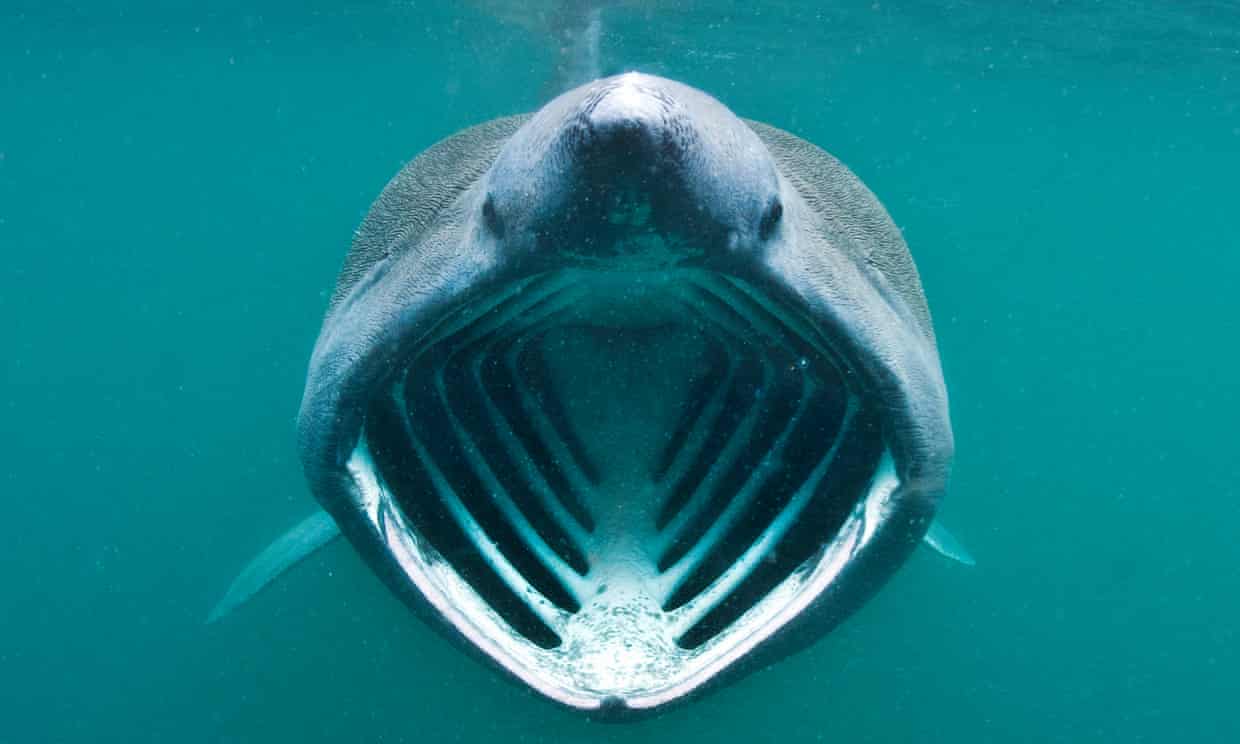
Their skeletons are made of cartilage instead of bone, the same flexible material in our nose and ears.
Which honestly explains a lot about why sharks always look slightly rubbery and overengineered.
Cartilage is lighter and more flexible than bone, which helps sharks become efficient swimmers. But it also means they evolved a very different solution for staying afloat.
Sharks Have a Surprisingly Stressful Relationship With Gravity
Most fish have something called a swim bladder, basically an internal flotation device that lets them hover in water without much effort. They are like aquatic baloons.
Sharks do not.
Instead, they rely on:
- constant movement
- lift from their fins
- and a giant oily liver
Which means if many sharks stop swimming, they slowly sink like sad sea aircraft.
For apex predators, that feels mildly inconvenient.
Rays Are Basically Sharks That Committed to Floor Life
Rays evolved from shark ancestors that increasingly preferred hanging around the seabed.
Honestly, relatable.
Instead of chasing prey in open water, they adapted to:
- bury themselves in sand
- ambush prey
- conserve energy
- become ocean pancakes
Their bodies flattened more and more over millions of years until they became the rays we know today.
The shark ray still carries both features at once, which is why it feels so strange to look at. Your brain recognizes “shark” and “ray” simultaneously.
Evolution Is Less “Transformation” and More “Editing”
I think that’s what's fascinating.
Evolution doesn’t suddenly invent entirely new creatures out of nowhere. It tweaks existing designs little by little over absurd amounts of time.
Sometimes those edits become so extreme that you end up with something entirely different.
And sometimes you get a shark ray: an animal that still looks suspiciously mid-update.